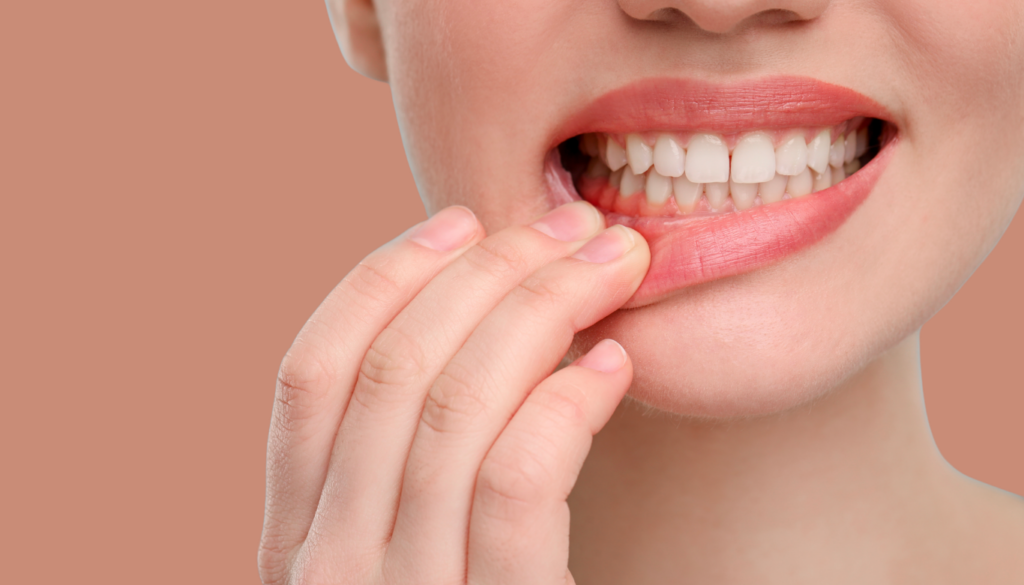
If your teeth seem to twinge more when the temperature drops, you are not imagining it. Cold weather can make existing sensitivity feel sharper, and for some people it only shows up during winter.
Here are a few common reasons why it happens and what you can do about it.
-
Enamel can weaken in colder weather
Cold air can cause your enamel to contract slightly. When enamel thins or weakens, the layer underneath called dentine becomes more exposed. This is the layer that carries signals to the nerve and can make teeth feel sensitive. -
Receding gums make sensitivity worse
If your gums have pulled back a little due to brushing too hard or gum disease, the root surface of the tooth can be exposed. The roots do not have enamel protection, so cold air, cold drinks and even breathing through your mouth can trigger discomfort. -
Existing dental issues flare up
Problems like cracks, worn fillings or decay often feel more noticeable in winter. The pressure from temperature changes can make these areas react more than usual. -
Sinus pressure can mimic tooth sensitivity
During colder months, sinus congestion is more common. Pressure in the sinus area can spread to the upper teeth, creating a dull ache that feels like sensitivity.
How to ease sensitivity during winter
- Use a toothpaste designed for sensitive teeth
- Avoid brushing too hard and use a soft brush
- Try breathing through your nose when outdoors
- Keep up with regular dental check ups to catch issues early
- Ask your dentist about fluoride treatments or bonding for exposed areas
When to see a dentist
If the sensitivity is new, persistent or getting worse, it is best to have it checked. Sometimes a simple fix can bring quick relief, especially if the problem is linked to a crack, gum recession or worn enamel.
Keeping your teeth protected during the colder months helps prevent small issues turning into bigger ones. If you are worried about sensitivity, your dentist can recommend the right treatment based on what is causing it.