Are you looking for treatment options for sleep apnoea and snoring?
Mandibular advancement splint (MAS) and Continuous Positive Airway Pressure (CPAP) are two of the most common treatments for sleep apnoea. If you’re confused with the medical terminology and have unanswered questions about both, we can help simplify it for you. Read on to find out more about mandibular advancement splint and CPAP, their pros/ cons, and side effects. This will help you make an informed decision when you consult your dentist and healthcare practitioner to understand the various treatment options and alternative therapies available for sleep apnoea and snoring.
What is a Mandibular Advancement Splint (MAS)?
A mandibular advancement splint (MAS) is a dental appliance used to treat sleep apnoea and snoring. It works by holding the lower jaw (mandible) slightly forward during sleep, which helps to keep the airway open and prevent snoring and sleep apnoea.
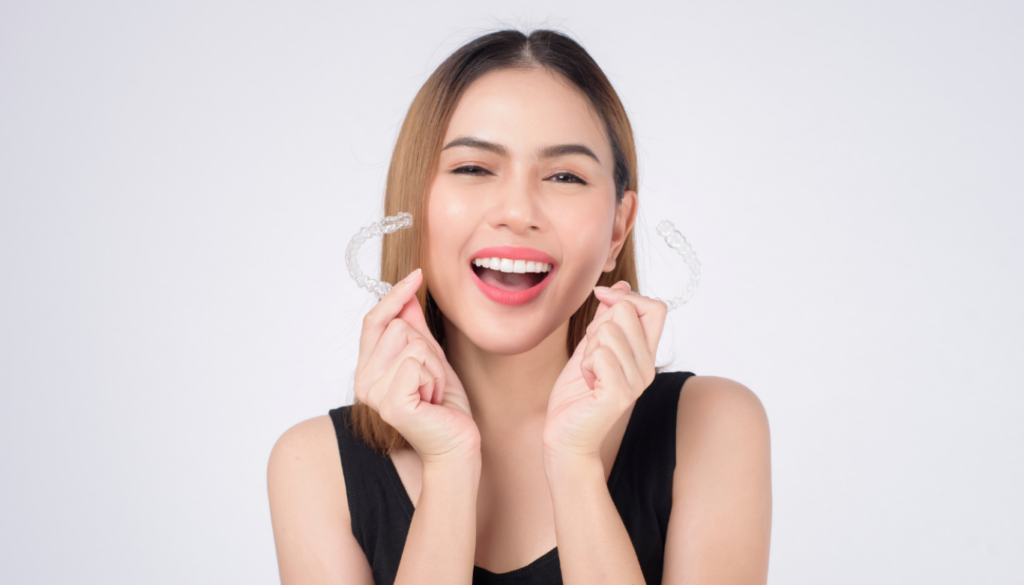
MAS appliances are custom-made by your dentist to fit your mouth comfortably and are worn at night. It is made of two pieces to fit your upper and lower teeth and is held together by adjustable connectors. You can gradually increase the forward movement of the lower jaw for optimal comfort and any advancement required according to your condition.
When the mandible is held forward, the soft tissue in the throat and tongue is also pulled in the same direction, helping keep the airway open and preventing the soft tissue collapse that can lead to snoring and sleep apnoea. The device can be effective for mild to moderate cases of sleep apnoea but it may not be suitable for everyone. It is important to consult a dentist and a sleep physician to determine if a mandibular advancement splint is the right treatment for your specific case.
Pros of MAS
Effective: MAS can be highly effective in treating mild to moderate cases of sleep apnoea and snoring. It also helps improve sleep quality and reduce daytime sleepiness.
Non-invasive: Unlike other treatments for sleep apnoea, such as surgery which is invasive or continuous positive airway pressure (CPAP) which requires wearing a mask, MAS is non-invasive and only requires a small device(mouthguard like) which is customised for your mouth. .
Convenient: MAS is easy to use and can be custom-fitted by your dentist. It is also portable and easy to carry while travelling.
Comfortable: Most users find wearing a sleep apnoea MAS comfortable, especially compared to other treatments like CPAP, which can be cumbersome and restrictive.
Cons of MAS
Possible adverse effects: Some possible side effects of wearing a sleep apnoea advancement splint may be tooth discomfort, dry lips, and excessive drool. These can usually be resolved by adjusting the fitting or changing the type of device you are using. Such symptoms also generally ease when you start getting used to wearing your mouthguard.
May not work for severe sleep apnoea: MAS is used for mild to moderate sleep apnoea and may not work for patients with severe cases. It’s best to talk to a qualified health professional for an accurate diagnosis and treatment tailored to your needs.
What are Continuous Positive Airway Pressure (CPAP) Machines
Continuous Positive Airway Pressure (CPAP) machines work by delivering a continuous stream of air pressure through a mask that covers the nose or both the nose and mouth. The air pressure helps to keep the airway open during sleep, preventing episodes of apnoea (temporary cessation of breathing) and snoring.
The CPAP machine consists of a small air pump, a hose, and a mask or nasal pillows that deliver the air pressure to the patient. The air pressure is usually set to a level determined by your health practitioner based on the severity of your condition.
CPAP therapy is often the first line of treatment for moderate to severe sleep apnoea, as it is highly effective in reducing symptoms and improving sleep quality. Some patients may experience side effects such as nasal congestion, dry mouth, drooling or mask discomfort but these can be generally resolved by adjusting the mask or pressure settings. The use of a CPAP can be noisy overnight – making it difficult for partners who sleep in the same room.
It’s important to note that CPAP therapy requires consistent use every night to be effective, and patients may need to experiment with different masks and settings to find the most comfortable and effective treatment.
Pros CPAP Machines
Effective: CPAP machines are generally used for severe cases of sleep apnoea and help treat both obstructive and central sleep apnoea.
Non-Invasive: CPAP therapy is a non-invasive treatment that does not require surgery or medication.
Cons of CPAP Machines:
Side Effects: Some patients may experience side effects such as nasal congestion, dry mouth, mask discomfort, or skin irritation. The machine can also be noisy during use overnight.
Inconvenient: CPAP machines are bulky and difficult to travel with, which may be difficult for people who travel frequently.
Cost: CPAP machines and supplies can be expensive when compared to mouthguards, especially if not covered by insurance.
Maintenance: CPAP machines require regular cleaning and maintenance to ensure proper hygiene and optimal performance.
MAS or CPAP: Which is Right for You
Deciding between mandibular advancement splints (MAS) and continuous positive airway pressure (CPAP) machines can be a personal decision. This depends on several factors, the first being your medical pratitioner’s diagnosis and recommendation, the severity of your sleep apnoea, your personal preference, and any medical conditions or physical limitations you may have. Here are some factors to consider:
The Severity of Sleep Apnoea: MAS is generally recommended for mild to moderate cases of sleep apnoea, while CPAP is usually recommended for severe cases.
Comfort and Ease of Use: Some people find MAS more comfortable and easier to use than CPAP, as it does not require a mask or electricity. However, others may not prefer to have their jaws held in a fixed position all night. On the other hand, wearing a mask on your face all night may feel claustrophobic and may not appeal to everyone. Whereas sleep apnoea mouthguards or MAS are compact and light, being easier to get used to than a mask and machine.
Side Effects: Both MAS and CPAP can have side effects, such as jaw pain or discomfort for MAS and nasal congestion or skin irritation for CPAP. It is essential to discuss any potential side effects with your healthcare provider and to be willing to try different devices or adjustments to find the most comfortable and effective treatment.
Cost: CPAP machines are generally more expensive than MAS but may be covered by insurance, depending on your coverage. The cost may vary for each patient depending on their budget and insurance plans. But generally, CPAP machines require more supplies, while sleep apnoea advancement splints are just a one-time investment.
Travel Friendly: MAS are more portable and may suit people who travel frequently. CPAP machines can be difficult to set up and travel with.
As such, make sure to discuss the pros and cons of MAS and CPAP with your healthcare provider to determine which treatment option is best for you.
Other Sleep Apnoea Treatment Alternatives
While sleep apnoea mandibular advancement splints and CPAP machines are well-known treatments for sleep apnoea and snoring, there are various other treatment alternatives you can consider. Some of them include:
Lifestyle changes: Making changes to your lifestyle, such as losing weight, quitting smoking, avoiding alcohol and sedatives, and improving oral hygiene can improve sleep apnoea symptoms.
Positional therapy: Some people only experience sleep apnoea when sleeping on their backs. Using positional therapy, such as sleeping on your side or using a special pillow or device that helps keep you in a side-sleeping position, can help reduce symptoms.
Oral myology: Exercises targeting oral musculature have been found to assist in the treatment of sleep apnoea. Changing the resting position of the tongue or increasing the tone of the muscles in the tongue could help ease the symptoms associated with sleep apnoea.
Surgery: In some cases, surgery may be recommended to correct structural abnormalities in the nose, throat, or jaw that contribute to sleep apnoea. Surgery may be considered if other treatments have not been effective or if the sleep apnoea is severe.
Sleep Apnoea Therapy in Ballarat
Sleep apnoea can have long-term effects on your health, increasing the risk of diseases such as heart attacks, strokes, and diabetes. It also has a negative impact on the quality of life because of disrupted sleep cycles resulting in tiredness, mood swings and daytime sleepiness.At Dana Street Dental, we aim to help all our patients live their best life. From meeting your dental and aesthetic needs to help you achieve optimal oral health and a beautiful smile to helping you sleep better with custom mouthguards, our gentle Ballarat dentists are here to help. Book a consultation today.