As you approach retirement, planning for your health and well-being becomes a top priority. While much of the focus may be on financial planning and general healthcare, it’s equally important to consider your dental health. Maintaining a healthy smile in retirement requires proactive steps before you leave the workforce. At Dana Street Dental, we’re here to help you navigate the essential aspects of pre-retirement dental preparation so you can enjoy a bright, healthy smile for years to come.
Why Pre-Retirement Dental Prep Matters
Your oral health is closely linked to your overall health. Issues like gum disease, tooth decay, and tooth loss can not only affect your ability to eat and speak but can also contribute to more serious health conditions such as heart disease and diabetes. As you age, the risk of dental problems increases, making it crucial to address any oral health concerns before retirement.
Additionally, retiring often means a change in dental private health coverage, which could impact your ability to afford the care you need. By taking steps to secure your dental health now, you can reduce the likelihood of costly and complex treatments in the future.
Step 1: Schedule a Comprehensive Dental Exam
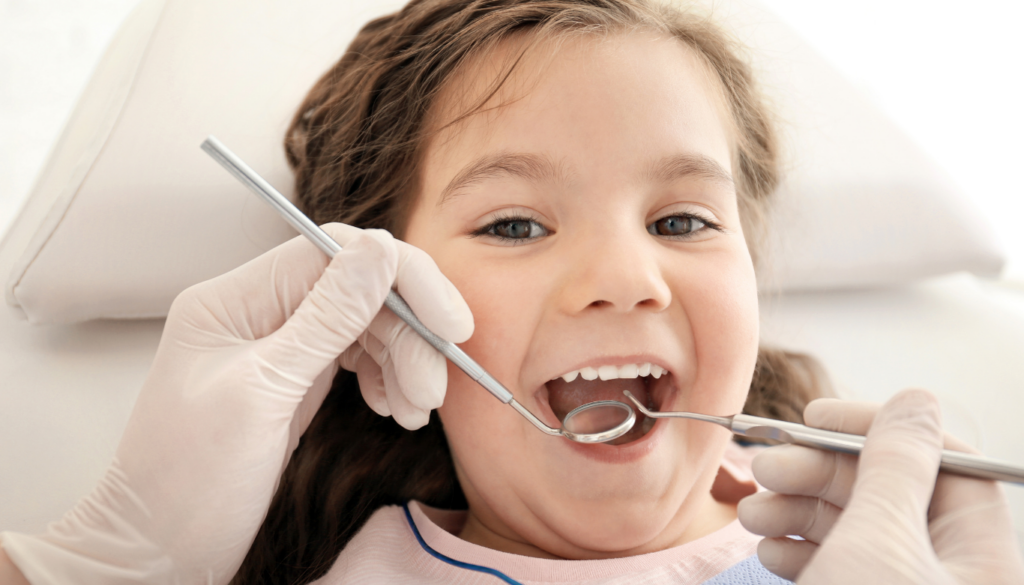
The first step in planning for a healthy smile in retirement is to schedule a comprehensive dental exam. This will give your dentist an opportunity to assess your current oral health and identify any issues that need to be addressed before you retire.
During this exam, your dentist will:
- Check for Tooth Decay and Cavities: Identifying and treating cavities early can prevent more extensive decay and potential tooth loss.
- Evaluate Gum Health: Gum disease is a leading cause of tooth loss in older adults. Early detection and treatment are key to preventing gum disease from progressing.
- Examine Existing Dental Work: If you have fillings, crowns, or bridges, your dentist will check their condition to ensure they’re still functioning properly.
- Screen for Oral Cancer: Regular screenings for oral cancer are particularly important as you age, allowing for early detection and treatment.
Based on the findings from your exam, your dentist will recommend any necessary treatments or preventive measures to ensure your oral health is in top shape as you enter retirement.
Step 2: Address Outstanding Dental Issues
If your comprehensive exam reveals any dental issues, it’s important to address them before retirement. Some common treatments you might need include:
- Fillings or Crowns: If you have cavities or damaged teeth, getting them filled or crowned before retirement can prevent further deterioration.
- Gum Disease Treatment: If you’re showing signs of gum disease, treatments like deep cleaning (scaling and root planing) can help manage the condition and protect your teeth.
- Tooth Replacement Options: If you’re missing teeth, now is the time to consider tooth replacement options like dental implants, bridges, or dentures. These treatments can improve your ability to eat, speak, and smile with confidence.
By addressing these issues before retirement, you can avoid the need for more extensive (and expensive) dental work later on.
Step 3: Plan for Future Dental Needs
As you plan for retirement, it’s important to consider how your dental needs may change in the coming years. Your dentist can help you develop a long-term oral health plan that includes:
- Regular Check-Ups: Even after you retire, it’s important to continue scheduling regular dental check-ups and cleanings. These visits allow your dentist to monitor your oral health and catch any potential issues early.
- Oral Hygiene Routine: Maintaining a strong oral hygiene routine at home is crucial. Brush twice a day with fluoride toothpaste, floss daily, and use an antimicrobial mouthwash to keep your teeth and gums healthy.
- Diet and Lifestyle Adjustments: A balanced diet rich in fruits, vegetables, lean proteins, and whole grains can support your oral health. Limiting sugary and acidic foods and drinks can also help prevent tooth decay and gum disease.
Step 4: Protect Your Smile from Age-Related Changes
As you age, your mouth undergoes natural changes that can affect your oral health. These changes might include a decrease in saliva production, leading to dry mouth, or a gradual wear and tear on your teeth. To protect your smile from these age-related changes:
- Stay Hydrated: Drinking plenty of water can help combat dry mouth and keep your mouth healthy.
- Use Fluoride Products: Fluoride toothpaste and mouthwash can strengthen your teeth and protect them from decay.
- Wear a Nightguard: If you grind your teeth at night, wearing a nightguard can prevent damage to your teeth and jaw.
Step 5: Stay Informed and Proactive
Oral health education doesn’t stop once you retire. Staying informed about the latest developments in dental care and being proactive about your oral health can help you maintain a healthy smile throughout your retirement.
- Keep Up with Regular Dental Visits: Even if you’re traveling or have a more flexible schedule, continue prioritising your dental appointments.
- Ask Questions: If you have concerns or notice changes in your oral health, don’t hesitate to reach out to your dentist for advice.
Conclusion
Planning for a healthy smile in retirement requires a proactive approach to dental care. By addressing any existing issues, maintaining a strong oral hygiene routine, and planning for your future dental needs, you can enjoy a healthy, beautiful smile for years to come.
Ready to prepare your smile for retirement? Schedule a comprehensive dental exam at Dana Street Dental today by calling (03) 5331 6117 or booking an appointment online. Let’s work together to ensure your smile stays healthy and bright as you enter this exciting new chapter of life!