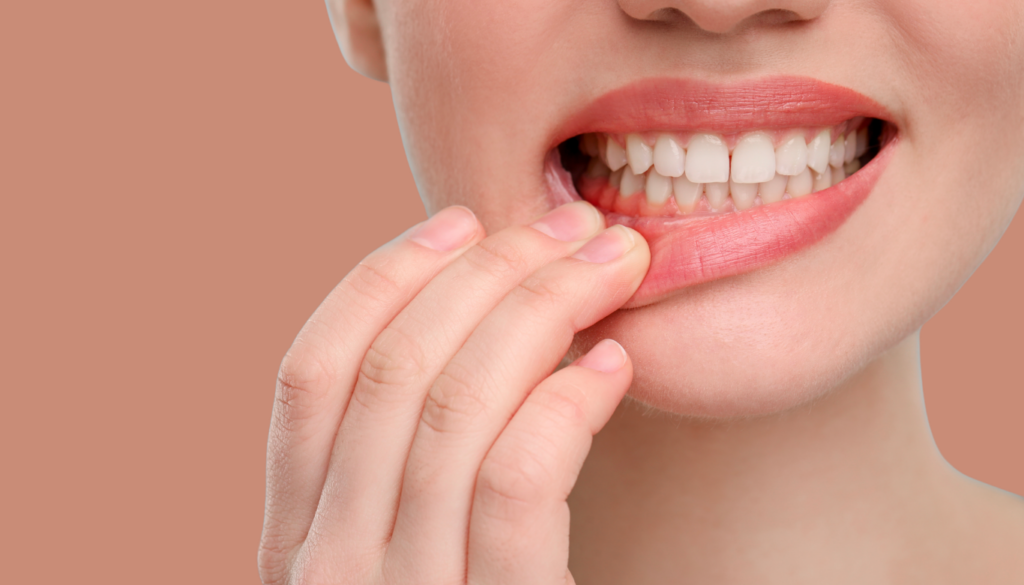
Losing a tooth as an adult is more common than many people realise. It can happen due to decay, gum disease, injury or other dental concerns. While it may be tempting to leave the gap, especially if the missing tooth is not very noticeable, doing nothing can lead to changes that affect your oral health, comfort and confidence over time.
At Dana Street Dental in Ballarat, we often see the long term effects of missing teeth and the difference early treatment can make. Here are the main things that can happen when a missing tooth is left untreated.
Shifting of Neighbouring Teeth
Teeth rely on one another for stability. When one tooth is missing, the teeth on either side start to lean or drift into the open space. The tooth above or below the gap may also start to move down or up into the space. This can lead to misalignment, crowding and changes in your bite.
These changes happen slowly, often without you noticing at first, but they can become more difficult to correct the longer the gap is left.
Increased Wear and Bite Problems
When teeth shift, the way your bite comes together changes. This can put extra pressure on certain teeth, causing them to wear down faster. You may also experience:
- Discomfort when chewing
- Clicking or strain in the jaw
- Difficulty biting certain foods
Over time, these bite changes can contribute to jaw pain or headaches.
Higher Risk of Tooth Decay and Gum Problems
A missing tooth creates new areas where plaque can build up. As neighbouring teeth shift, it becomes harder to clean between them properly. This can increase the risk of cavities and gum inflammation.
Spaces caused by missing teeth may trap food more easily, which can lead to bad breath or ongoing gum irritation.
Bone Loss in the Jaw
One of the most significant long term effects of missing teeth is bone loss. The jawbone needs stimulation from chewing to stay strong. When a tooth is lost, the bone in that area no longer receives that stimulation and begins to shrink.
Bone loss can change the shape of your face over time and make future tooth replacement more difficult.
Changes in Speech
Depending on the location of the missing tooth, you may notice changes in speech. Certain sounds are harder to make without the support of teeth, and gaps can affect airflow during talking. This is particularly common when front teeth are missing.
Reduced Confidence and Comfort
Many people find that a missing tooth affects how they smile, laugh or interact with others. Even if the gap is at the back of the mouth, changes in chewing, comfort and appearance can still affect confidence.
Replacing the tooth not only helps with function, but can also support a more confident smile.
Tooth Replacement Options
The right replacement option depends on your oral health, bone levels, lifestyle and preferences. Common treatment options include:
Dental Implants
A strong, natural feeling replacement that helps support bone health.
Dental Bridges
A fixed restoration that fills the gap using neighbouring teeth for support.
Partial Dentures
A removable option that can replace one or several missing teeth.
Your dentist will discuss which treatment is most suitable and explain what to expect from each option.
Why Early Treatment Helps
Replacing a missing tooth sooner rather than later helps prevent many of the issues above. It supports stable alignment, helps maintain jawbone strength and keeps your bite functioning comfortably.
At Dana Street Dental in Ballarat, we provide clear guidance to help you choose the option that suits you best. Early care protects not only your smile, but your long term oral health.